
Get Dry Well Installation in West Des Moines, IA
Dry well installation services help West Des Moines property owners manage excess water runoff and drainage issues by connecting them with local contractors experienced in installing effective drainage solutions for residential and commercial projects.
Property owners in West Des Moines, IA, considering drainage solutions may find this page helpful for exploring dry well installation options. Properly installed dry wells can help manage excess water runoff, prevent pooling, and protect landscaping from water damage. Whether planning a new drainage system or upgrading an existing one, comparing local contractors can ensure the work meets the specific needs of the property and local conditions.
This page serves as a resource to connect with experienced service providers in the area who specialize in dry well installation. By reviewing available options, property owners can gather information on the services offered and find professionals capable of handling the project with attention to local soil and weather considerations. Keep reading to discover how local contractors can assist with effective drainage solutions tailored to property needs in West Des Moines.
- Dry Well Installation - needed when a property in West Des Moines, IA requires an alternative water drainage solution to prevent basement flooding.
- Dry Well Repair - necessary if an existing dry well is clogged, damaged, or no longer effectively manages runoff in neighborhoods around Des Moines.
- Dry Well Maintenance - recommended for homeowners seeking to ensure their drainage system functions properly during heavy rainfalls in nearby communities.
- Dry Well Replacement - appropriate when an old or failing dry well needs to be upgraded to improve property drainage in the West Des Moines area.
- Dry Well System Design - sought after by new developments or property renovations that require a customized drainage solution to handle stormwater efficiently.
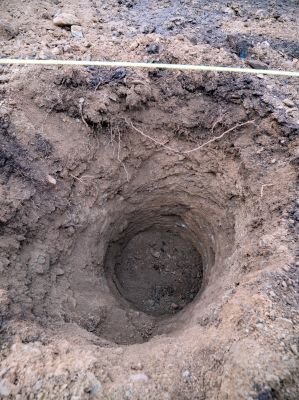
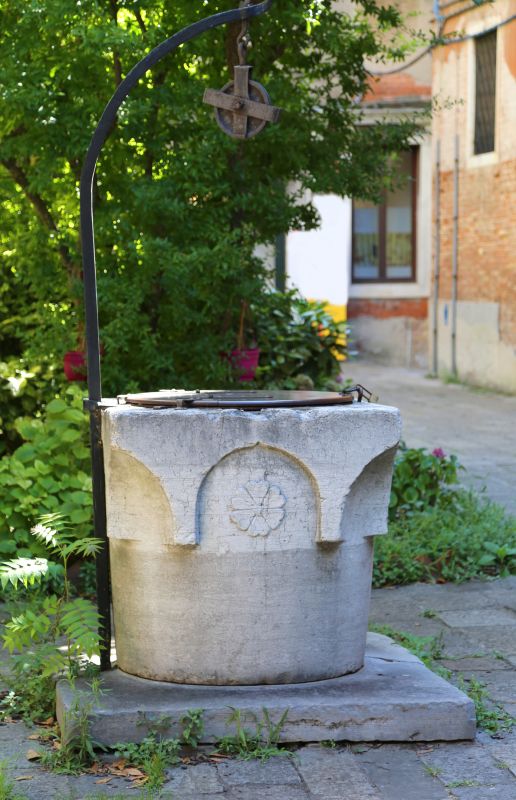
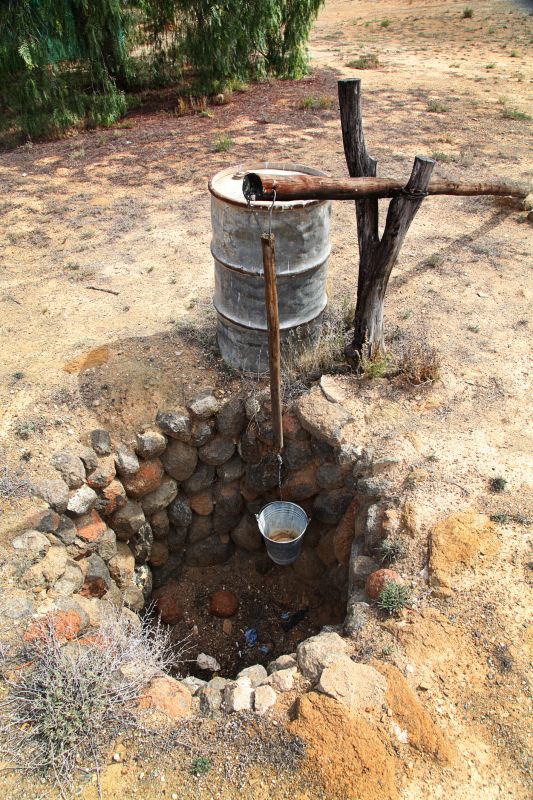
Dry well installation services involve creating a specialized underground system designed to manage excess water runoff from a property. This process typically includes excavating a suitable area, installing a perforated pipe or other drainage components, and covering it with gravel or other media to facilitate water flow away from foundations and outdoor structures. The goal is to prevent water from pooling on the surface or seeping into basements, which can lead to flooding, foundation damage, or other moisture-related issues.
These services are especially helpful for homeowners dealing with persistent surface water accumulation after heavy rains or for properties situated in areas with poor natural drainage. When a yard tends to flood or water collects near the foundation, a dry well can serve as an effective solution to redirect water safely underground. It offers a practical alternative to surface drainage options like sump pumps or French drains, providing a discreet way to improve water management without extensive landscaping changes.
Dry well installation is commonly used on residential properties, including single-family homes, townhouses, and small multi-unit buildings. Properties with expansive lawns, sloped terrains, or areas prone to runoff often benefit from these systems. They are particularly useful in locations where traditional drainage methods are insufficient or where homeowners want a low-maintenance solution to control excess water and protect their property’s foundation and landscaping.
Homeowners who notice water pooling in their yard, basement flooding issues, or erosion around their property may find dry well installation to be a practical option. Local contractors who specialize in drainage solutions can assess the property’s specific needs and recommend an appropriate system. Contacting experienced service providers can help determine if a dry well is suitable for addressing water management challenges and ensuring the property remains dry and stable over time.
The overview below groups typical Dry Well Installation projects into broad ranges so you can see how smaller, mid-sized, and larger jobs often compare in West Des Moines, IA.
In many markets, a large share of routine jobs stays in the lower and middle ranges, while only a smaller percentage of projects moves into the highest bands when the work is more complex or site conditions are harder than average.
Smaller Repairs - Typical costs for minor dry well repairs or installations in West Des Moines, IA, range from $250-$600. Many routine jobs fall within this middle range, depending on the complexity and materials used. Fewer projects reach the higher end of this spectrum.
Standard Installations - For standard dry well installations or replacements, local contractors generally charge between $1,000 and $3,000. This range covers most common projects and is where many homeowners find their costs fall.
Larger or Complex Projects - Larger, more complex dry well installations, such as those requiring extensive excavation or custom solutions, can cost $3,500-$5,000 or more. These projects are less frequent but necessary for challenging sites or high-capacity systems.
Full Replacement - Complete dry well replacements in the area typically range from $2,000 to $6,000, depending on the size, depth, and site conditions. Many service providers handle projects within this range, with higher costs reserved for extensive or complicated work.
Actual totals will depend on details like access to the work area, the scope of the project, and the materials selected, so use these as general starting points rather than exact figures.
Drainage System Installation - professionals who install comprehensive drainage systems often have skills similar to those needed for dry well installation, ensuring proper water management around properties.
Subsurface Drainage Solutions - these projects involve planning and installing underground drainage components that help prevent water accumulation, similar to dry well setup.
Foundation Drainage Services - contractors working on foundation drainage systems require expertise in managing underground water flow, which aligns with dry well installation techniques.
Stormwater Management Projects - designing and implementing stormwater solutions often involve installing underground water dispersal systems like dry wells to control runoff.
Landscape Drainage Planning - landscape drainage projects focus on directing excess water away from structures, requiring skills applicable to dry well installation.
Soil and Site Preparation - preparing the ground for drainage systems involves excavation and planning skills that are essential for installing dry wells effectively.
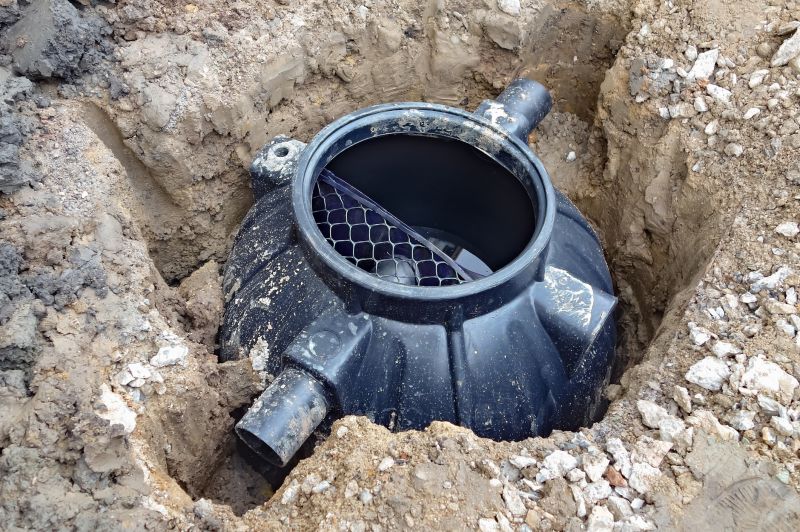
When evaluating contractors for dry well installation, it’s important to consider their experience with similar projects in the West Des Moines area. Service providers who have worked on comparable drainage systems or landscape drainage solutions are more likely to understand local soil conditions, weather patterns, and common challenges. This familiarity can contribute to a smoother installation process and help ensure the system functions effectively over time. Asking about the types of projects they have completed and how long they have been working in the community can provide valuable insight into their expertise and reliability.
Clear, written expectations are essential when choosing a service provider for dry well installation. A reputable local contractor should be able to provide a detailed scope of work, outlining the steps involved and the materials to be used. This documentation helps prevent misunderstandings and ensures that both parties are aligned on the project’s goals. When reviewing proposals or estimates, look for transparency and thoroughness, which reflect a professional approach. Well-defined expectations also make it easier to compare options and determine which contractor offers the best value for the work needed.
Reputable references and effective communication are key factors to consider when selecting a local service provider. A dependable contractor should be willing to share references from previous customers who had similar projects completed. Speaking with past clients can reveal insights into the contractor’s workmanship, professionalism, and ability to meet deadlines. Additionally, good communication throughout the process-such as prompt responses to questions and clear explanations of work-can make the experience more straightforward and less stressful. These qualities help ensure that the project progresses smoothly and that any concerns are addressed promptly.
Property owners in West Des Moines, IA use Dry Well Installation services for practical projects around their homes and businesses. This guide focuses on everyday jobs and straightforward project options.
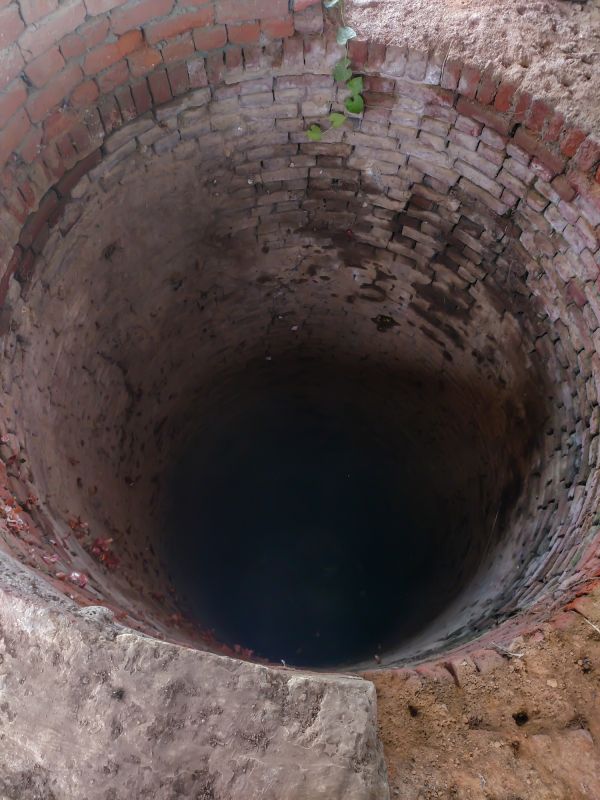
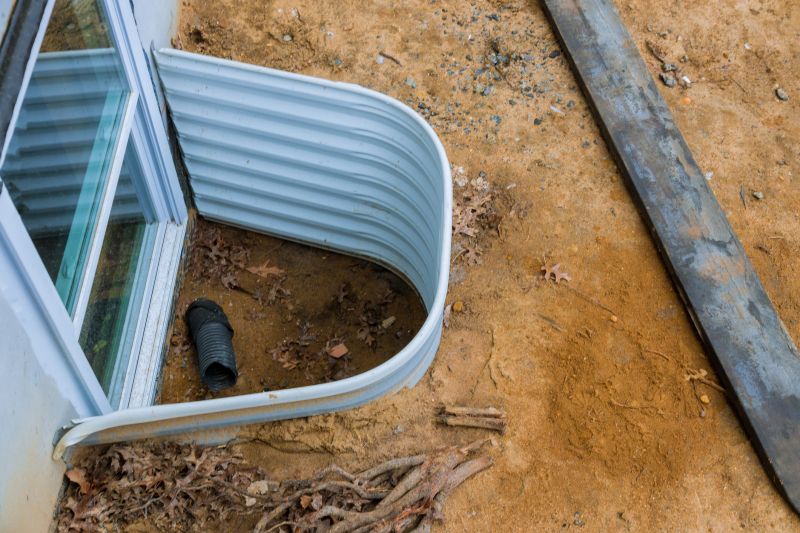
Dry well installation services are often needed by property owners in West Des Moines, IA, who are experiencing issues with water drainage or have concerns about their well systems. For example, homeowners who notice frequent pooling of water in their yard or basement flooding after heavy rains may seek out local contractors to install dry wells that help manage excess runoff. Additionally, those planning new landscaping projects or property expansions might look for professional assistance to ensure proper water management solutions are in place, preventing future drainage problems and protecting their property’s foundation.
Property owners may also consider dry well services when installing new irrigation systems or upgrading existing drainage infrastructure. In areas with clay soils or limited natural drainage, local service providers can help set up dry wells that improve water absorption and reduce soil erosion. Whether dealing with ongoing water accumulation or preparing for seasonal storms, residents in West Des Moines, IA, can connect with nearby contractors who specialize in reliable dry well installation to address these everyday site-specific challenges.
What is a dry well and how does it work? A dry well is an underground structure that helps manage excess water runoff by directing it away from your property, allowing it to disperse safely into the ground.
Why should I consider installing a dry well? Installing a dry well can help prevent flooding, reduce soil erosion, and protect your foundation from water damage by effectively managing stormwater runoff.
What types of dry well systems are available? There are several types of dry wells, including gravel-filled chambers, perforated pipe systems, and prefabricated units, each suitable for different property needs and conditions.
Are dry well installations suitable for all property types? Dry well systems can be adapted for various property sizes and terrains, but a local contractor can assess specific site conditions to recommend the best option.
How do local contractors typically install dry wells? Contractors usually excavate the designated area, install the chosen dry well system, and backfill with proper drainage materials to ensure effective water management.
Preventing Water Accumulation - Installing a dry well can help manage excess rainwater runoff around a property, reducing pooling and potential flooding.
Protecting Foundations - A dry well can divert water away from a building’s foundation, minimizing the risk of water damage and soil erosion.
Improving Drainage in Landscaping - Property owners can use dry wells to enhance yard drainage, making outdoor spaces more usable after heavy rains.
Supporting Sustainable Water Management - Dry well installation offers an effective way to handle stormwater naturally, supporting overall property drainage systems.
If you are thinking about Dry Well Installation for a property in West Des Moines, IA, this guide is meant to help you understand the work, the typical project types, and how different options might fit your plans.
When you are ready, you can use the quote form on this page to share a few details about your project. From there, local pros can review the basics and respond with options that match what you have in mind.